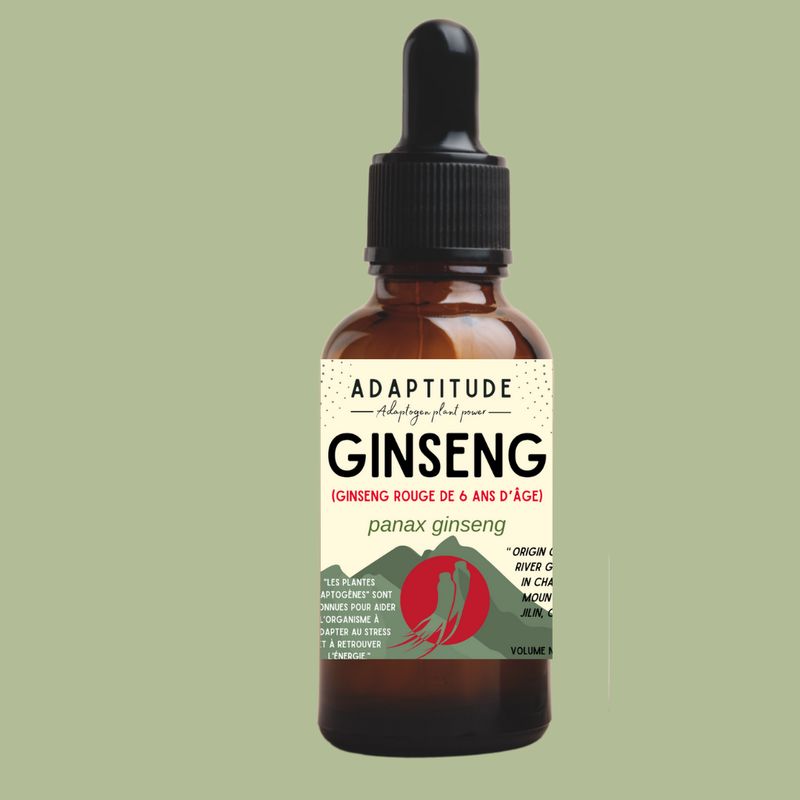
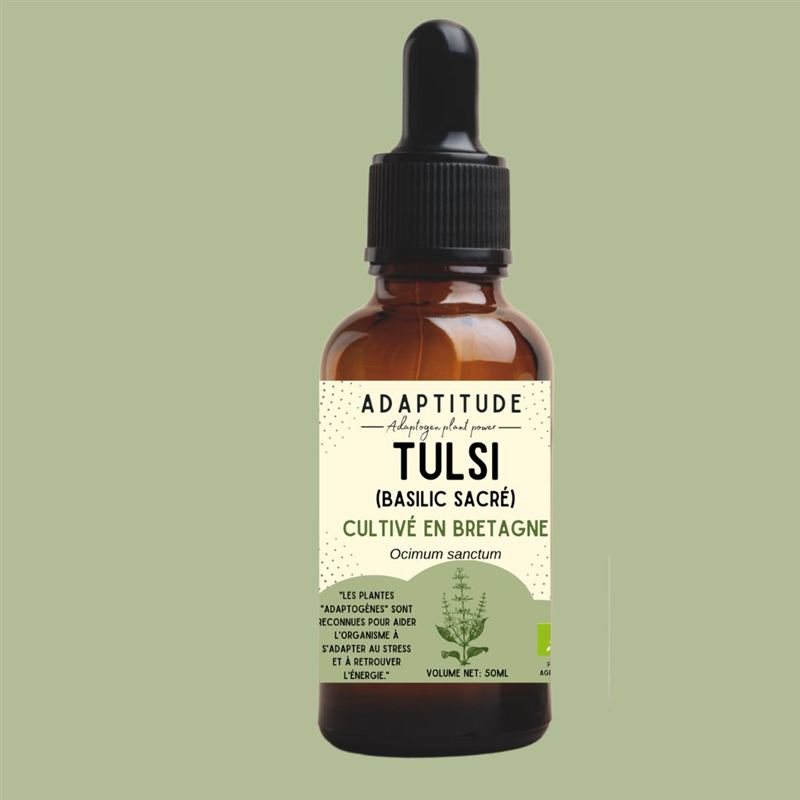
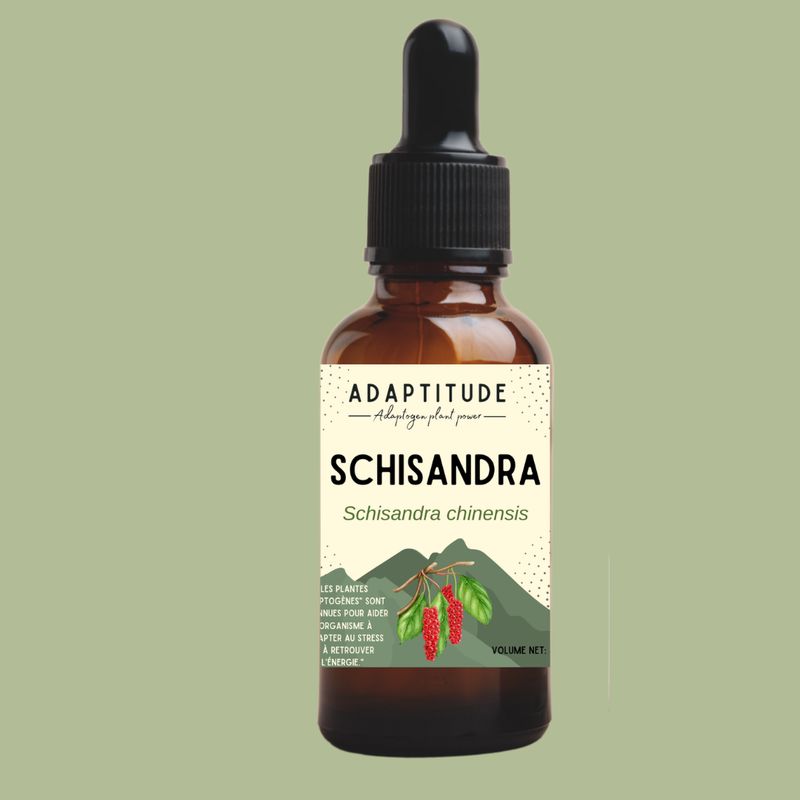
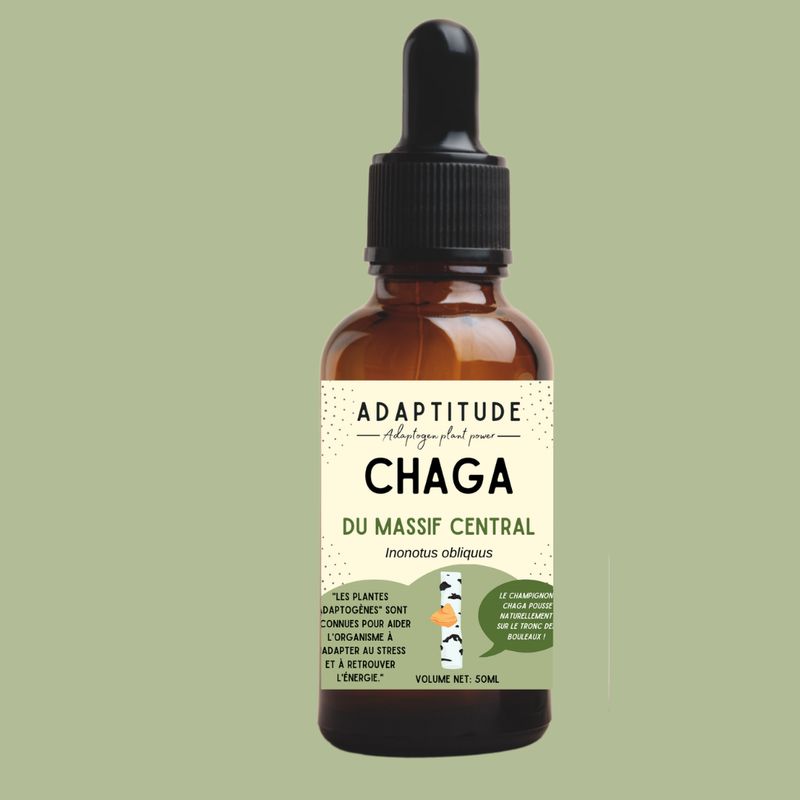
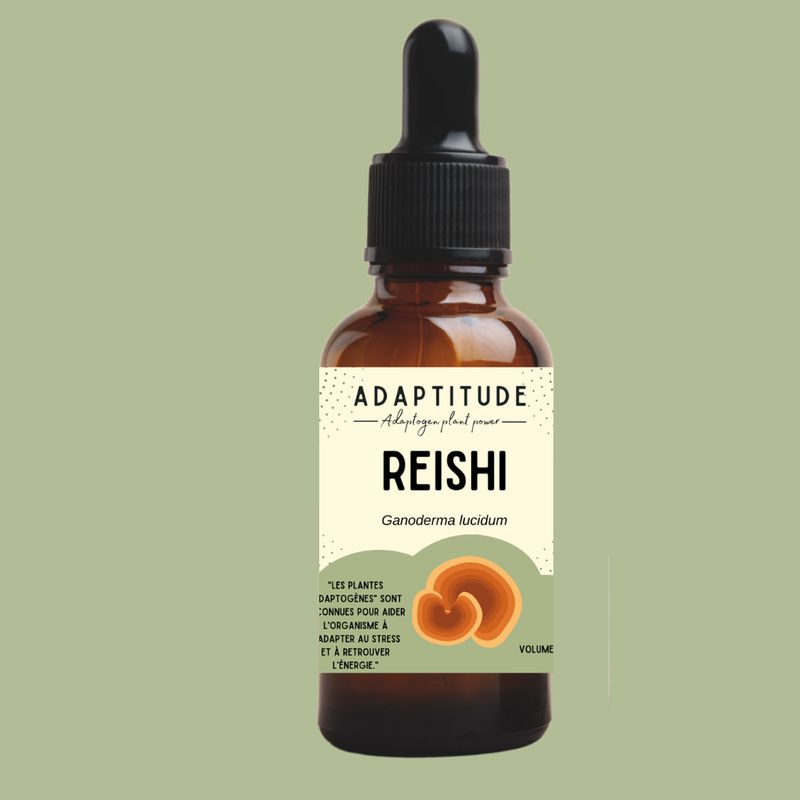
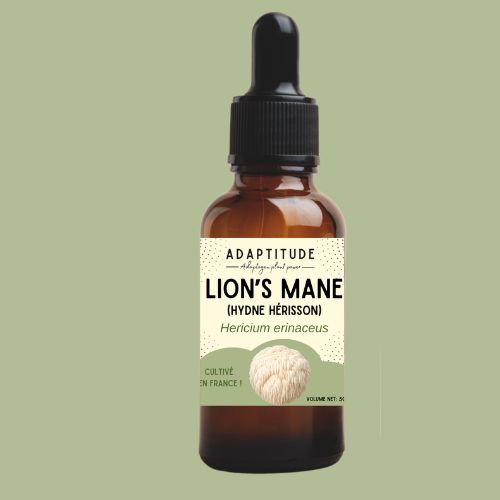
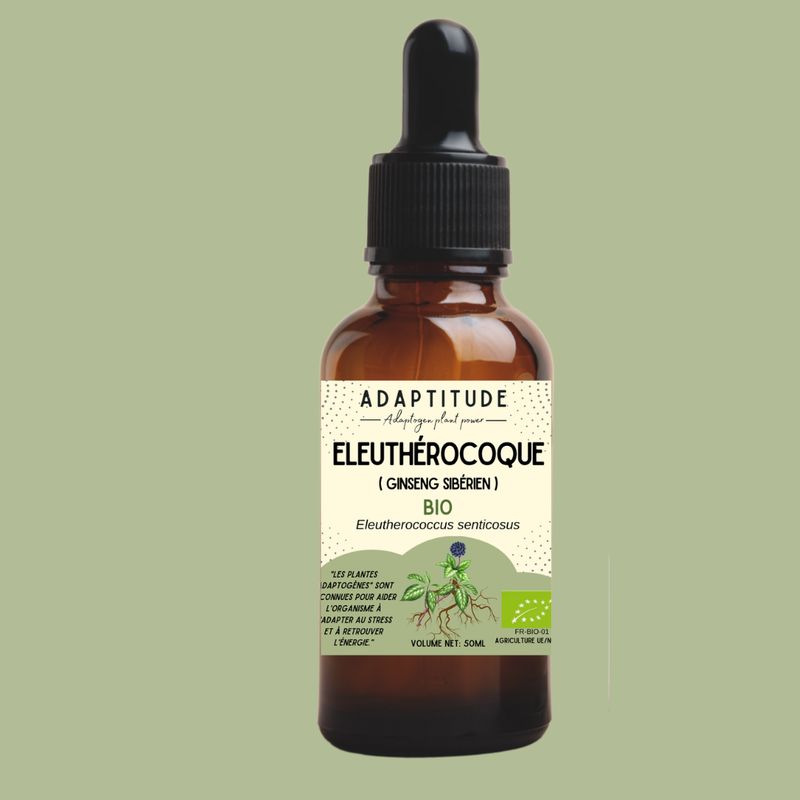
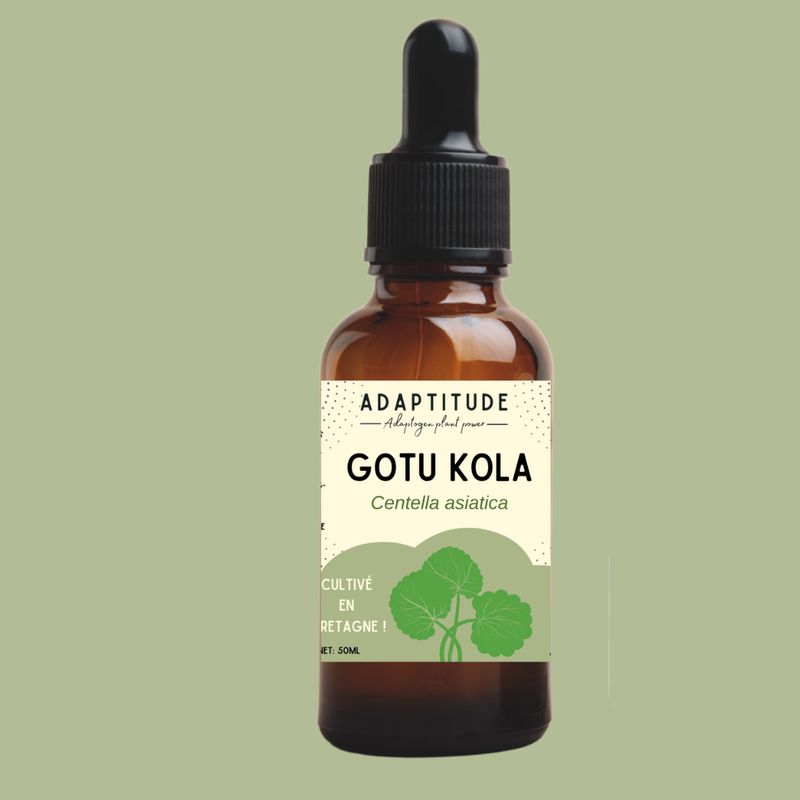
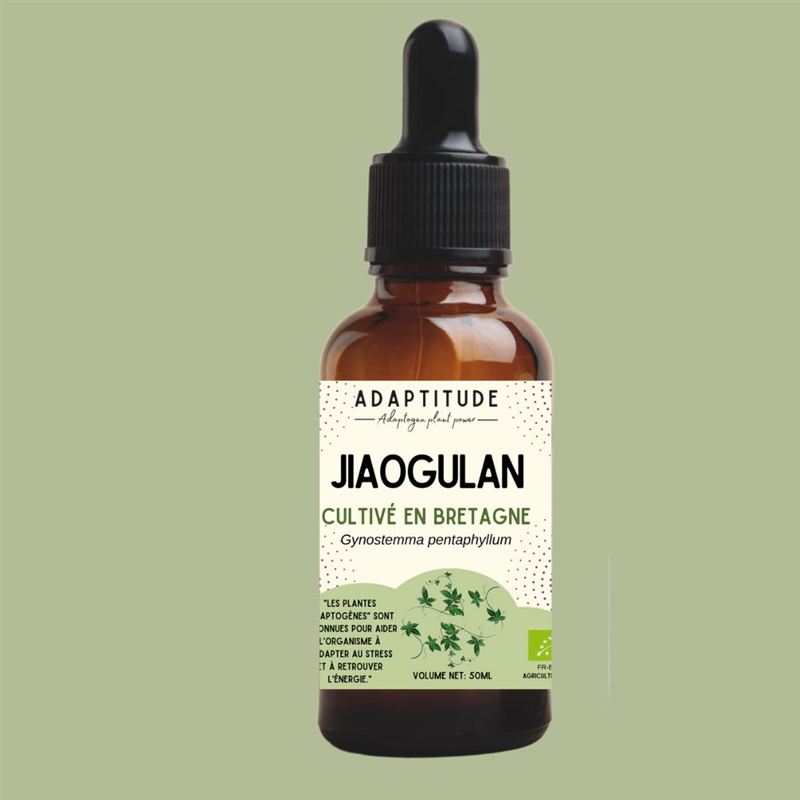
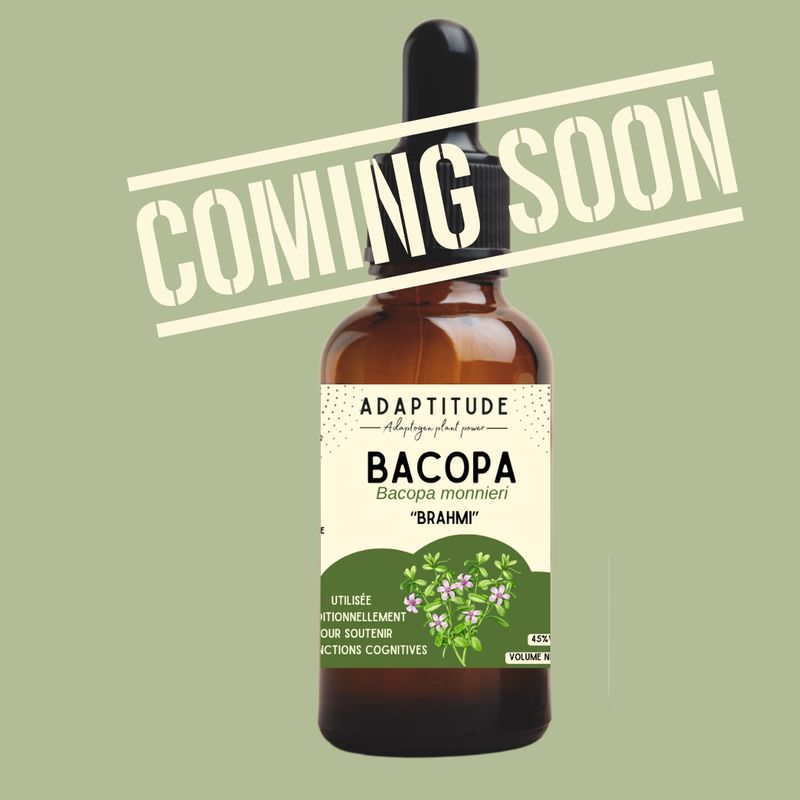
An adaptogen is a plant that increases the body's ability to adapt to different forms of stress - physical, mental or environmental. The term was coined in 1947 by the Russian scientist Nikolai Lazarev.
To be called an adaptogen, a plant must meet three criteria:
- Be non-toxic at normal doses;
- Produce a non-specific response - it supports the whole body, not a single organ;
- Have a normalizing effect - it brings the body back towards balance, whatever the direction of the imbalance.
And nootropics?
Nootropics are substances that support cognitive functions: memory, focus, mental clarity. Some plants, like gotu kola, are both adaptogenic and nootropic.
How to use them
Adaptogens work best as a course of at least 3 weeks. Our hydro-alcoholic extracts are taken as drops diluted in a glass of water, 1 to 2 times a day.
Each adaptogen has its own personality. Explore our guides to find the one that suits your needs.
Frequently asked questions
What is an adaptogenic plant?
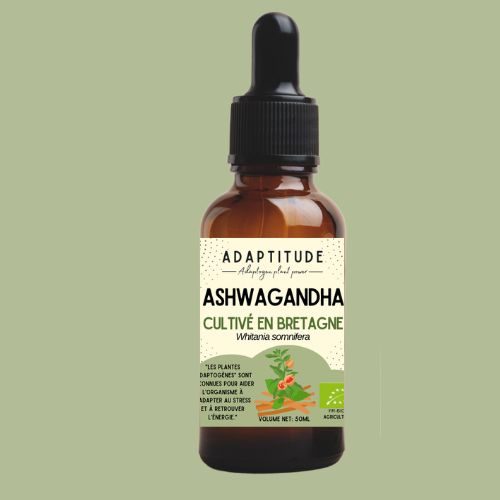
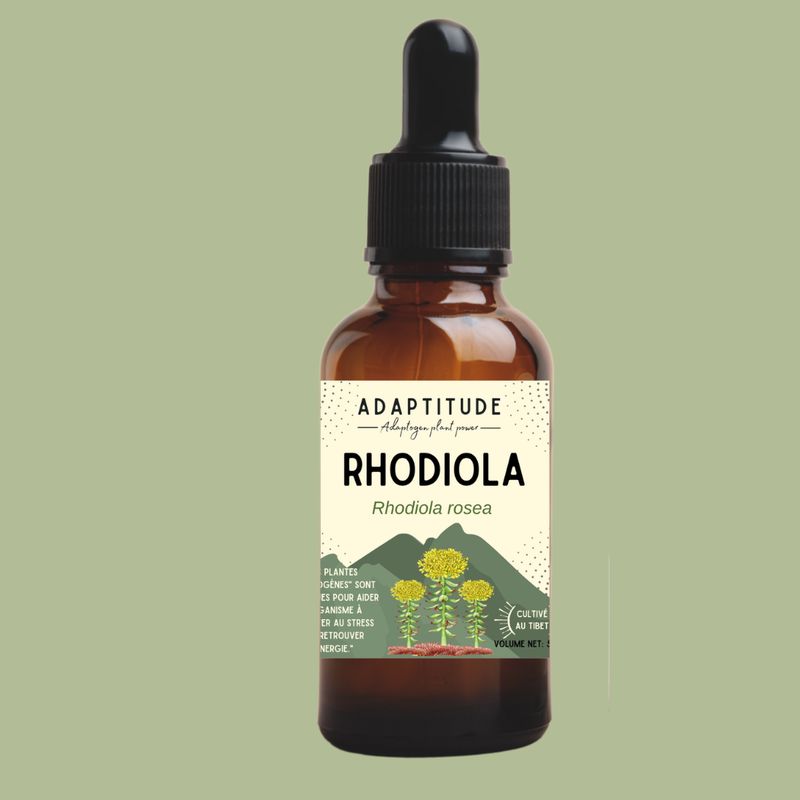
An adaptogen is a non-toxic plant that helps the body adapt to physical, mental or environmental stress, with a normalizing and non-specific action on the whole body. Examples: ashwagandha, rhodiola, jiaogulan, tulsi.
How long before adaptogens take effect?
Adaptogens work gradually: the first effects generally appear after 1 to 2 weeks, with an optimal course of at least 3 weeks, renewable.
Ashwagandha or rhodiola: which one to choose?
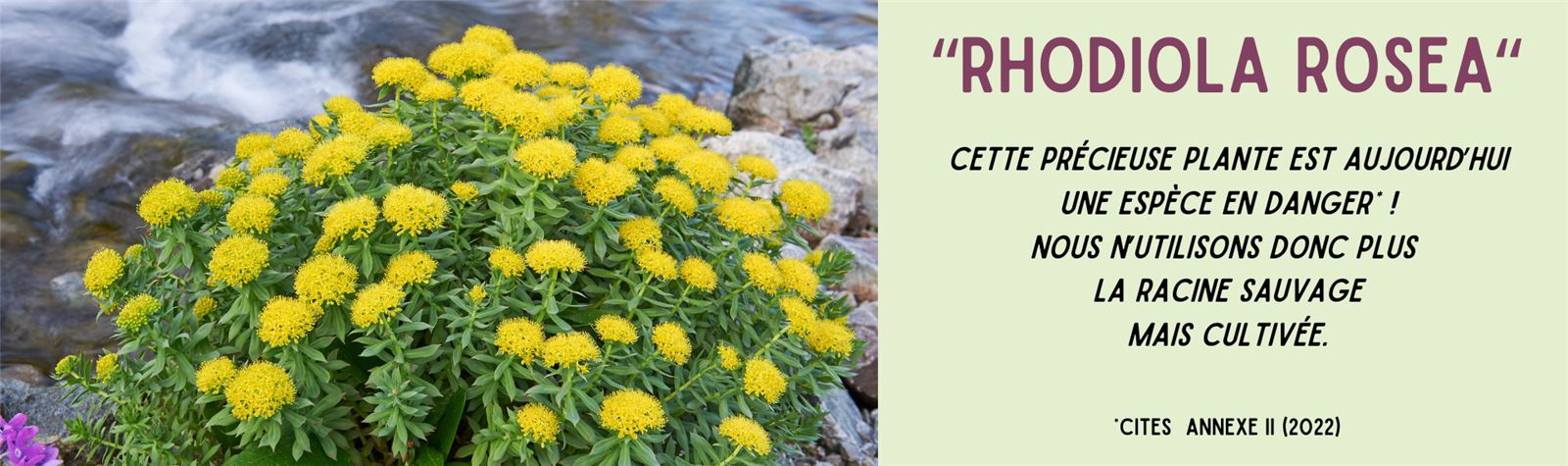
Ashwagandha is calming (stress, sleep) and is taken in the evening; rhodiola is stimulating (fatigue, performance) and is taken in the morning. They can be combined: rhodiola in the morning, ashwagandha in the evening.
Are your plants really grown in France?
Yes: ashwagandha, tulsi, jiaogulan, gotu kola and bacopa are grown by our partners in Brittany, and our chaga is harvested in the Massif Central. Every bottle is made in our lab in Quimper.
Are there any contraindications?
Adaptogens are not recommended for pregnant or breastfeeding women and children without medical advice. Ask your doctor if you are on medication. Our products are food supplements, not medicines.